By clicking “Accept,” you agree to the use of cookies and similar technologies on your device as set forth in our Cookie Policy and our Privacy Policy. Please note that certain cookies are essential for this website to function properly and do not require user consent to be deployed.
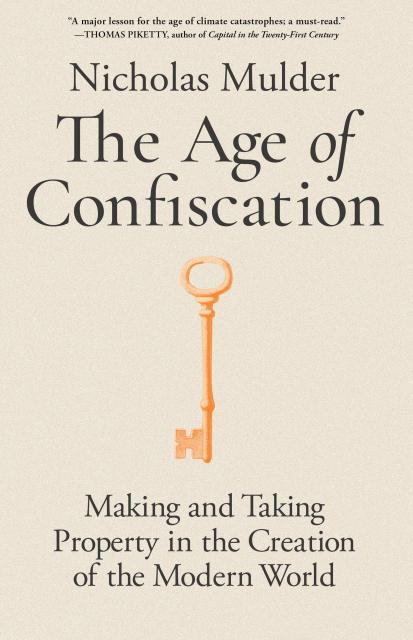
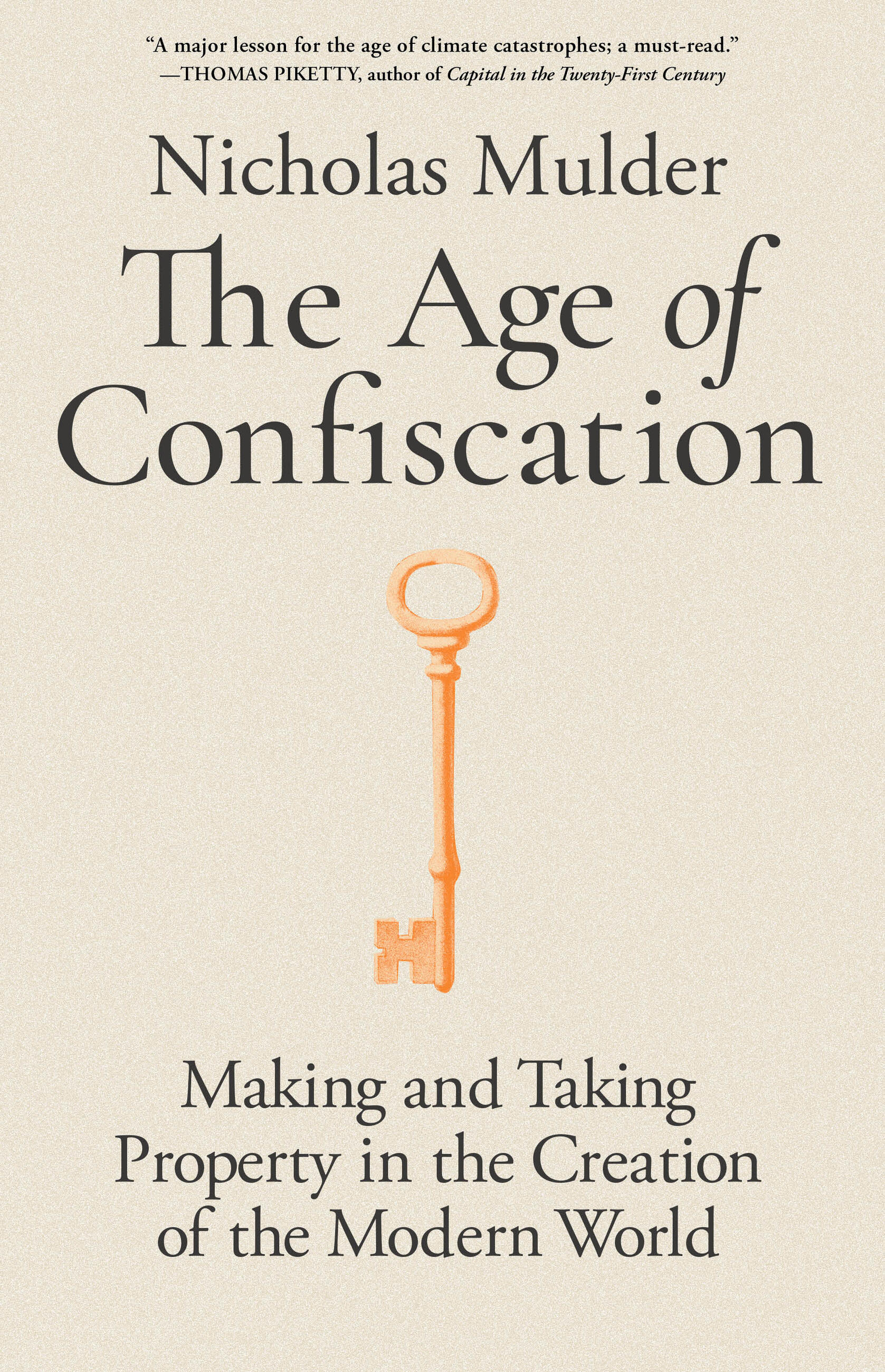
The Age of Confiscation
Making and Taking Property in the Creation of the Modern World
Contributors
Formats and Prices
- On Sale
- Dec 1, 2026
- Page Count
- 768 pages
- Publisher
- Little, Brown and Company
- ISBN-13
- 9780316464833
Price
$18.99Price
$24.99 CADFormat
Format:
Preorder from Retailers:
A bold, revelatory account of how the greatest conflicts, atrocities, and social advancements of our time have all hinged on the seizure of property, for readers of Capital in the Twenty-First Century and Why Nations Fail.
Expropriation—the act of forcibly taking property—is usually associated with dictators and unstable countries. But in fact, it has been integral to the political and economic history of the West, enabling the abolition of serfdom and slavery, the Industrial Revolution, and essential parts of the modern welfare state. For better and for worse, much of our world today was built through the coercive acquisition of property, a process that will continue to shape our future.
In this groundbreaking history, Nicholas Mulder charts a new path from the eighteenth century to the present, showing how governments of all kinds—liberal and nationalist, socialist and fascist, imperialist and anticolonial—have dissolved and redistributed property rights in the service of their ideologies and ambitions. Ranging from the French Revolution to the Russo-Ukrainian war, from railway empires to oil nationalizations, and from the confiscation of patents to financial asset freezing, The Age of Confiscation upends our understanding of state-building and economic development, showing how they are at their core a struggle over property: its making and unmaking, transfer and conversion, and theft and restoration.
In the spirit of Thomas Piketty and Daron Acemoglu, Mulder reveals how the power to take property has shaped our past—and how, amid rising geopolitical competition, growing inequality, and climate change, it will mark our future.
Genre:
-
“Nicholas Mulder shows us that the modern world is largely about the codification of property rights—but it is also about large redistributions of wealth. A major lesson for the age of climate catastrophes, a must-read.”Thomas Piketty, author of Capital in the Twenty-First Century
-
"Masterful and eye-opening...People intimidated by economic and financial analysis will find that Mulder’s erudite and elegant prose opens up a whole new way of understanding the modern world system, how we got where we are, and where we might be going. A revelatory global history of struggle between rulers and subjects over who owns what."Kirkus (starred review)
-
“Confiscation is back with a bang: Trump demands government shares in business, centrists want to blow up local opposition to development, and the left dreams of remaking the economy. In The Age of Confiscation, Nicholas Mulder explains with verve and intelligence that property rights were never as solid as they seemed, and sets the scene for what happens next.”Henry Farrell, SNF Agora Professor of International Affairs at Johns Hopkins University and co-author of Underground Empire: How American Weaponized the World Economy
-
“Mulder's illuminating study challenges one of capitalism's most enduring narratives: that private property exists apart from state intervention. He reveals expropriation as a central instrument of modern governance, showing how private owners have not only survived but often profited from the very processes that transformed their property.”Clara Mattei, author of The Capital Order: How Economists Invented Austerity and Paved the Way to Fascism and Founder of the Forum for Real Economic Emancipation