By clicking “Accept,” you agree to the use of cookies and similar technologies on your device as set forth in our Cookie Policy and our Privacy Policy. Please note that certain cookies are essential for this website to function properly and do not require user consent to be deployed.
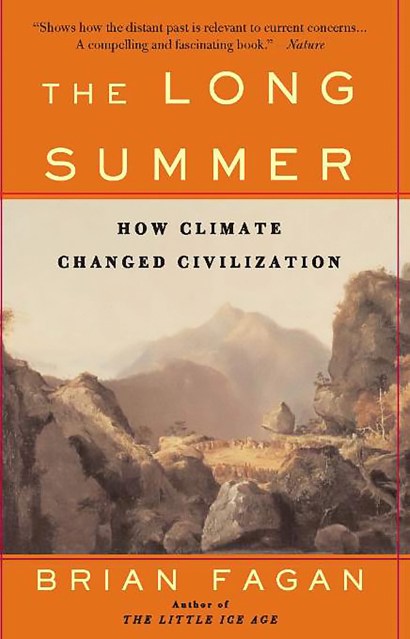
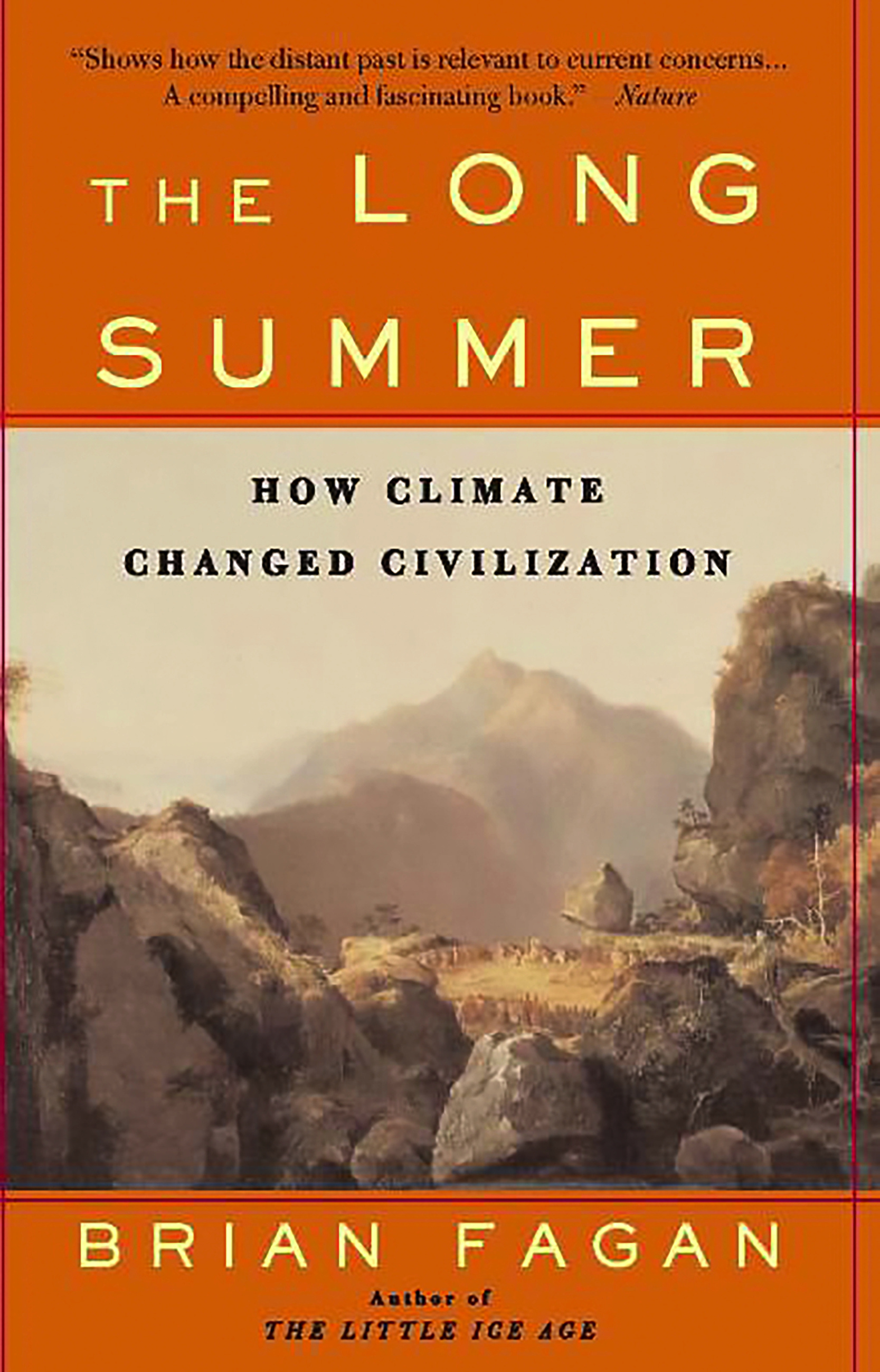
The Long Summer
How Climate Changed Civilization
Contributors
By Brian Fagan
Formats and Prices
- On Sale
- Dec 29, 2004
- Page Count
- 304 pages
- Publisher
- Basic Books
- ISBN-13
- 9780465022823
Price
$19.99Price
$25.99 CADFormat
Format:
Trade Paperback $19.99 $25.99 CADBuy from Other Retailers:
An exploration of the centuries-long pattern of human adaptation to the challenges of an ever-changing climate—and how climate change gave rise to civilization
“A compelling and fascinating book.”—Nature
Humanity evolved in an Ice Age in which glaciers covered much of the world. But starting around 15,000 years ago, temperatures began to climb. Civilization and all of recorded history occurred in this warm period, known as the Holocene—the long summer of the human species. People in the Near East abandoned hunting and gathering and began cultivating cereal crops, the catastrophic flood that created the Black Sea drove settlers deep into Europe, and the warming and drying of the Sahara forced its cattle-herding peoples to take up a less hazardous life along the banks of the Nile. This warming period ushered in the migrations and advancements that define human history.
In The Long Summer, renowned archaeologist Brian Fagan illuminates the centuries-long pattern of human adaption to the challenges of an ever-changing climate, with profound resonance for our own time.
Genre:
-
“The latest fascinating investigation from anthropologist-archaeologist Brian Fagan…Eminently readable as usual, Fagan presents a wealth of information from earth sciences, archaeology, and history, much of which…has emerged only recently.”New Scientist
-
“Shows how the distant past is relevant to current concerns… A compelling and fascinating book.”Nature
-
“Curl up with an electric blanket and read The Long Summer…It shows how climate changes have affected human history. You know how the Ice Age gave way to this warmer period we’re enjoying now? Well, the warmer weather (and the melting glaciers, higher sea levels, and more hospitable conditions that resulted) has had an effect on human history, Fagan suggests—and he shows us how.”Fort Worth Star-Telegram
-
“The Long Summer is a kind of cautionary Ravel’s Bolero about weather and human populations over the last 18,000 years…Remarkable and interesting…In the end, our own profound vulnerability is the crescendo.”Santa Barbara News-Press
-
“A fascinating history of climatic shifts over the past 20,000 years.”Ecologist